Prevention IS better than cure......
 Katherine Johnson
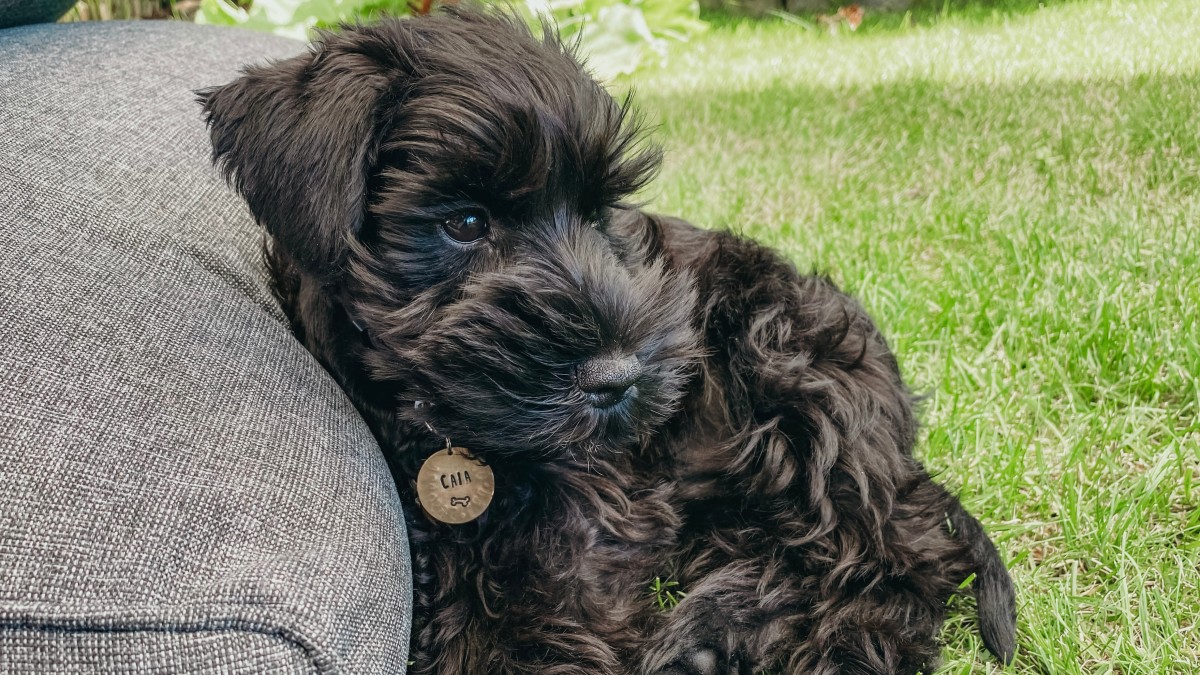
Often people reach out because their dog's behaviour has become a problem to them. What if they tackled things sooner...?
Prevention is Better Than Cure in Dog Training
When people reach out for help with their dog’s behaviour, it’s often because something has already become a problem. The dog who barks at visitors, pulls on the lead, jumps up at people, or struggles to settle at home.
These behaviours can absolutely be improved with thoughtful training and patience. But one thing I often think about is how much easier life can be when we focus on prevention from the beginning.
Puppies are Always Learning
From the moment a puppy arrives home, they are learning about the world around them. Every experience helps shape what they think is normal, safe, exciting, or rewarding.
Importantly, behaviours that are practised tend to become stronger. If a puppy repeatedly rehearses jumping up, chasing moving objects, or barking to get attention, those behaviours can quickly become habits.
This doesn’t mean anyone has “failed” their dog. Puppies are naturally curious, energetic learners, and most of us are simply doing the best we can with the knowledge we have at the time.
But it does highlight why early guidance and thoughtful management can make such a difference.
Management: The Often Overlooked Skill
In training, we sometimes focus heavily on teaching cues and exercises. But one of the most powerful tools is actually management.
Management simply means setting things up so puppies don’t get the chance to practise behaviours we don’t want.
For example:
- Using baby gates or pens to prevent unwanted chewing or stealing of items
- Reinforcing calm greetings instead of allowing jumping up
- Preventing rehearsal of barking at windows
- Choosing appropriate outlets for natural behaviours like chewing, sniffing, licking and exploring
This isn’t about restriction — it’s about guiding learning.
Building the Behaviours We Do Want
Prevention isn’t just about stopping unwanted habits. It’s also about actively building the behaviours we would love our dogs to offer naturally.
This might include:
- Relaxing on a mat while people move around
- Checking in with their handler on walks
- Greeting people politely
- Feeling confident in new environments
When these behaviours are reinforced early and often, they become the dog’s default choices.
Kindness for Dogs — and Their Humans
It’s also important to say that many people seek help only after challenges appear. Life is busy, puppies grow quickly, and not every difficulty is predictable.
The goal of sharing this perspective isn’t to judge anyone. Instead, it’s to encourage a mindset that sets both dogs and their humans up for success.
With a little planning, gentle guidance, and an understanding of how dogs learn, we can often prevent small behaviours from becoming bigger struggles later on.
And when challenges do arise, kind and thoughtful training can still make a world of difference.