School Holidays, Sunny Days and Dogs: Why Bite Incidents Can Increase
 Katherine Johnson
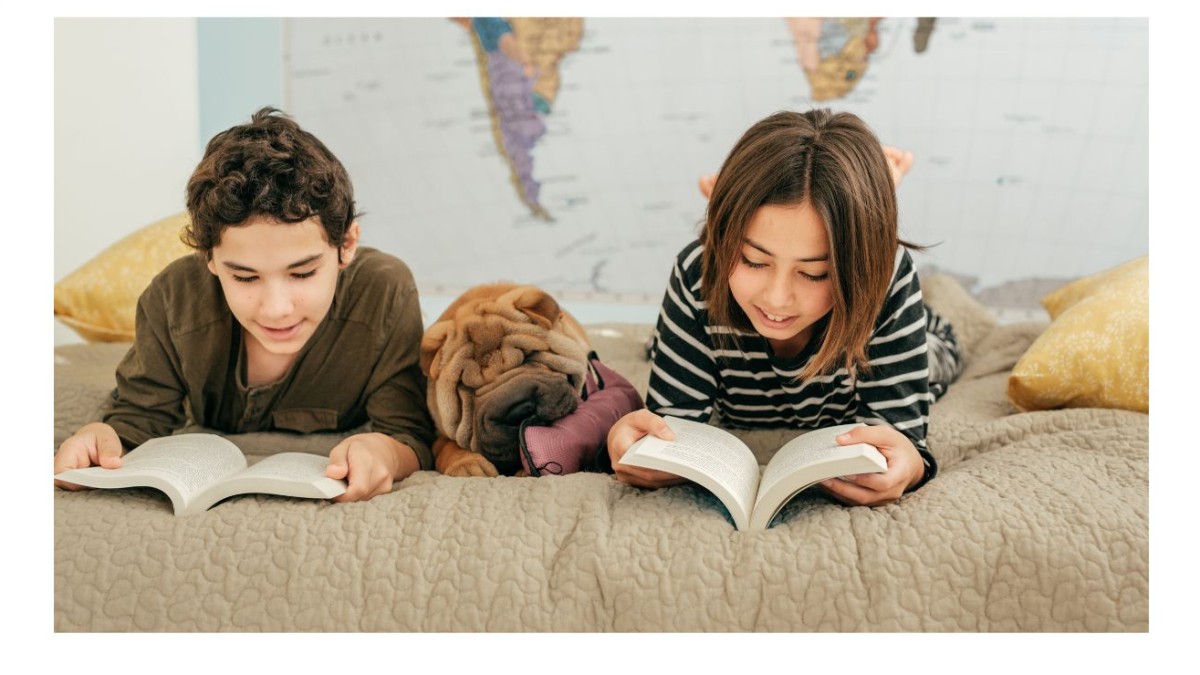
For many families, the school holidays are a time of excitement. Children are free from the classroom, families spend more time together, and visits to grandparents, friends and relatives become part of the weekly routine. Add some warm summer weather into the mix, and it sounds like the perfect recipe for fun.
Unfortunately, it's also a time when dog bite incidents can increase.
This isn't because dogs suddenly become "aggressive." More often than not, it's because they're placed in situations that feel overwhelming, confusing or uncomfortable.
Holiday routines mean different routines for dogs
During term time, many dogs enjoy a predictable routine. The house is quieter during the day, and they know what to expect.
Then the school holidays arrive.
Children may spend several days each week at Grandma and Grandad's while parents are at work. The family dog, who is used to a peaceful home, suddenly has energetic children running around all day. Even if the dog loves the children, being around them constantly can be tiring.
Just like us, dogs need downtime.
Excited children don't always notice the signs
School holidays are exciting. Children are naturally louder, more energetic and often less aware of their surroundings. They may want to cuddle the dog, throw endless games of fetch, or follow them from room to room.
While these interactions are usually well-intentioned, they can become overwhelming for a dog that simply wants a break.
Dogs communicate incredibly well—but only if we know what we're looking for.
Before a growl or snap, many dogs give subtle signals that they're uncomfortable. Take a look at the Steps to Fear image, (from KAD - Free Resources – Kids Around Dogs) - as well as the list below.
These can include:
- Turning their head away.
- Licking their lips when there's no food around.
- Yawning when they're not tired.
- Showing the whites of their eyes ("whale eye").
- Pinning their ears back.
- Holding their body stiffly.
- Tucking their tail or moving away.
- Seeking a quiet place to rest.
These are not signs of a "naughty" dog. They're polite requests for space.
Visiting friends can add another layer of risk
Another common holiday scenario is children visiting friends.
A child may be confident around the friendly Labrador they have at home and assume every dog enjoys the same interactions.
But every dog is an individual.
Some dogs are naturally social. Others are more reserved. Some are older and may be living with pain or reduced hearing. Others may simply feel worried when unfamiliar children enter their home.
It's important to remember that a dog who appears friendly can still feel uncomfortable in certain situations.
Warm weather matters too
Hot weather affects dogs just as much as it affects us.
When temperatures rise, dogs can become uncomfortable, tired and less tolerant of disturbance. A dog trying to rest in the shade may not appreciate being repeatedly interrupted for cuddles or play.
Giving dogs access to cool, quiet spaces where they won't be disturbed is one of the simplest ways to help everyone stay safe.
Teach children to respect a dog's boundaries
One of the greatest gifts we can give children is an understanding that dogs have feelings and boundaries.
Teach children to:
- Let a dog come to them rather than chasing after them.
- Leave dogs alone when they're sleeping, eating or chewing a toy.
- Never hug a dog tightly or climb on them.
- Avoid disturbing a dog that has chosen to walk away.
- Always ask the owner before approaching or stroking an unfamiliar dog.
- Speak calmly and move gently around dogs.
Prevention is everyone's responsibility
Most dog bites don't happen "out of nowhere." They are often the result of missed communication, overwhelming situations or unrealistic expectations placed on the dog.
By learning to recognise canine body language, supervising all interactions between children and dogs, and respecting a dog's need for space, we can prevent many incidents before they happen.
The school holidays should be a time for making happy memories—for children, adults and dogs alike.
A little understanding goes a long way. After all, dogs don't speak our language, but they are constantly communicating. The more we learn to listen, the safer everyone will be.
Want to learn more about understanding your dog's body language?
Whether you're preparing for family visits, welcoming grandchildren during the holidays, or simply want to build a safer relationship between children and dogs, I'm here to help. Get in touch to learn more about my training services, and let's help keep both children and dogs safe this summer.
Email - hello@positivecaninecoaching.co.uk